Borsuk−Biaynicka M and Evans S E 2009. A long−necked archosauromorph from the Early Triassic of Poland. Paleontologica Polonica 65: 203–234.
Cabreira SF et al. (13 authors) 2016. A unique Late Triassic dinosauromorph assemblage reveals dinosaur ancestral anatomy and diet. Current Biology (2016), http://dx.doi.org/10.1016/j.cub.2016.09.040
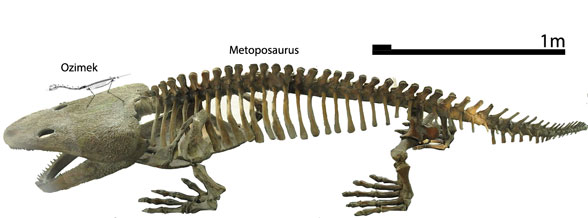
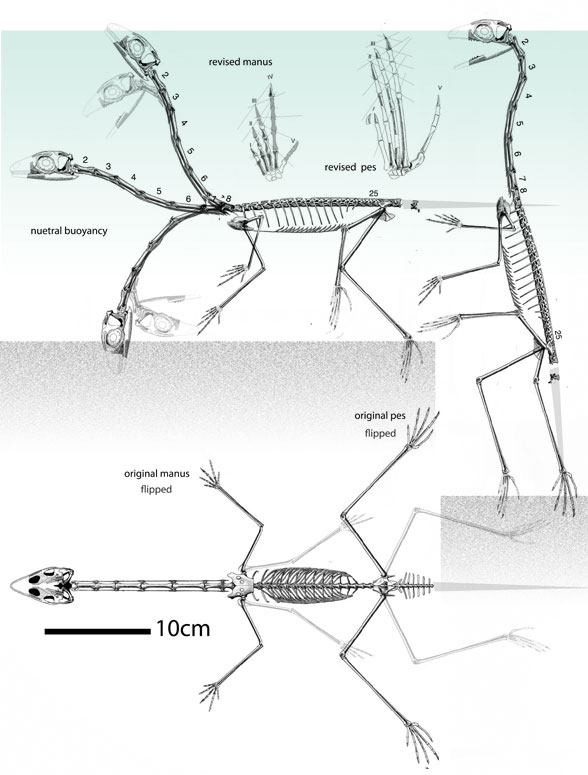
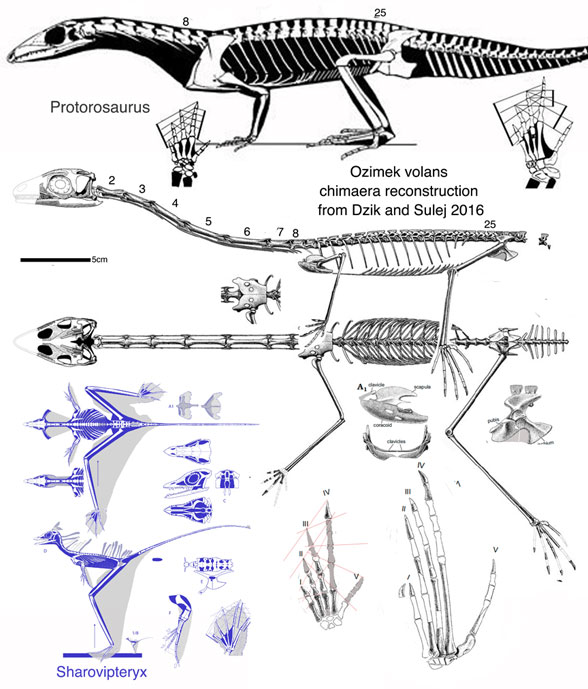
Dzik J and Sulej T 2016. An early Late Triassic long-necked reptile with a bony pectoral shield and gracile appendages. Acta Palaeontologica Polonica 61 (4): 805–823.
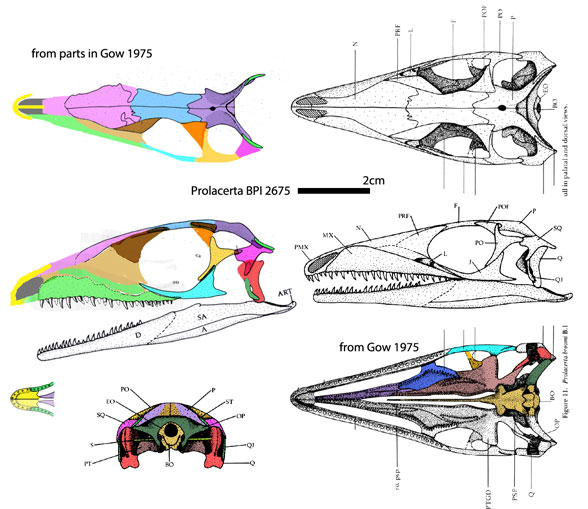
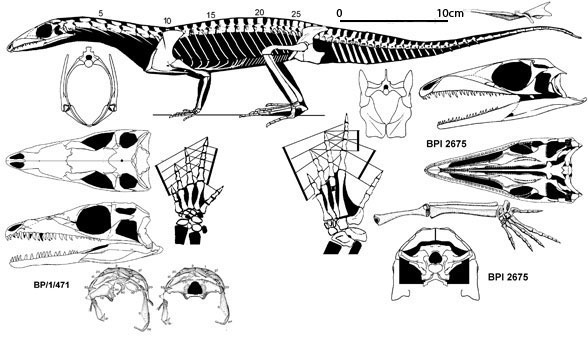
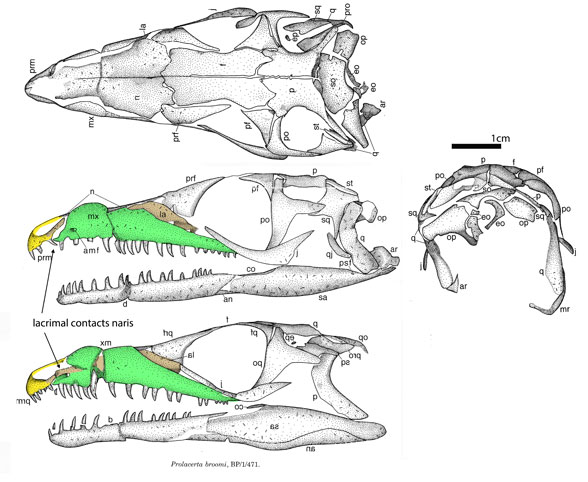
Gow CE 1975. The morphology and relationships of Youngina capensis Broom and Prolacerta broomi Parrington. Palaeontologia Africana, 18:89-131.
Modesto SP and Sues H-D 2002. The skull of the Early Triassic archosauromorph reptile Prolacerta broomi and its phylogenetic significance. Zoological Journal of the Linnean Society, 140:335-351.
Müller RT et al (8 co-authors) 2023. New reptile shows dinosaurs and pterosaurs evolved among diverse precursors. Nature. 620 (7974): 589–594.
Parrington FR 1935. On Prolacerta broomi gen. et sp. nov. and the origin
of lizards. Annals and Magazine of Natural History 16, 197–205.
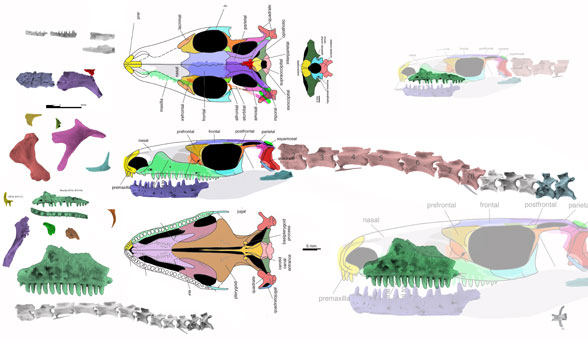
Sobral G, Simoes TR and Schoch RR 2020. A tiny new Middle Triassic stem-lepidosauromorph from Germany: implications fro the early evolution of lepidosauromorphs and the Vellberg fauna. Nature.com Scientific Reports 10, Article number: 2273.
Spiekman SNF 2018. A new specimen of Prolacerta broomi from the lower Fremouw Formation (Early Triassic) of Antarctica, its biogeographical implications and a taxonomic revision. Nature.com/scientificreports 8:17996
wiki/Prolacertiformes
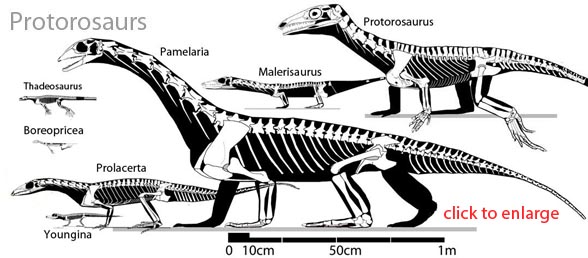
wiki/Protorosauria
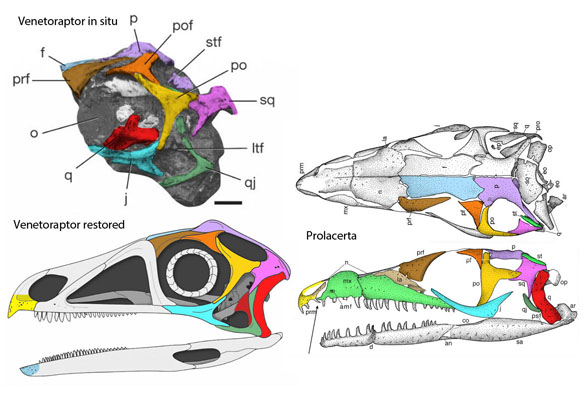
wiki/Venetoraptor
wiki/Prolacerta
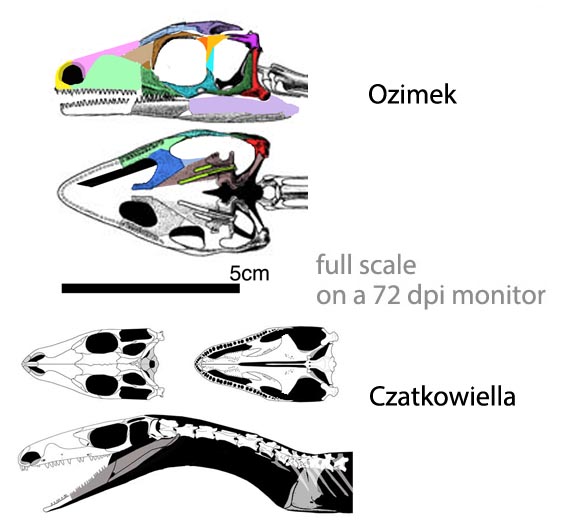
wiki/Czatkowiella
wiki/Ozimek_volans
wiki/Ixalerpeton |